
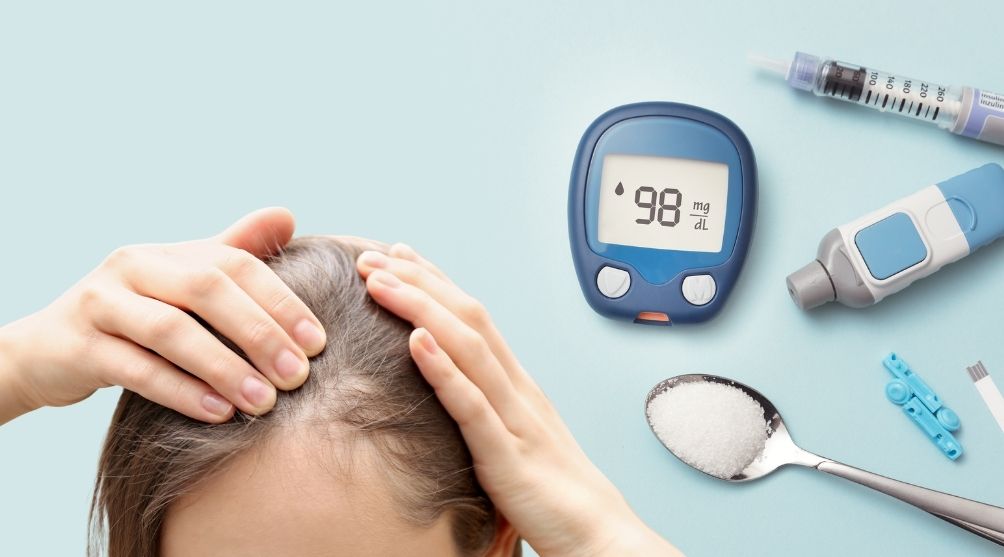
Hair thinning can feel alarming to many people. Over time, some adults notice less hair on their scalp than before. This concern becomes more common when health conditions like diabetes are involved. But can diabetes cause hair thinning? Research shows that diabetes establishes various pathways which lead to scalp health problems. Your ability to protect your hair and your complete health becomes possible through the link between hair health and total wellness.
In this blog, we explain how diabetes links to hair thinning. We also discuss how better control can support healthier hair growth.
Understanding the Connection Between Diabetes and Hair Health
Diabetes affects the entire body. Therefore, hair follicles are not spared. Hair growth depends on three essential factors which include oxygen supply and nutrient delivery and hormone regulation. The body stays in its natural state of equilibrium when blood sugar levels stay within their normal range. The condition leads to hair loss because it causes hair to become thinner and more prone to breaking and falling out.
The hair follicles show extreme sensitivity to their environment. The flow of water through the system becomes slower when any amount of water is removed from the circulation process. The process results in hair that becomes thinner until it becomes noticeable to the eye.
How High Blood Sugar Impacts Hair Growth
-
Poor Blood Circulation
High blood sugar damages blood vessels. The body receives less oxygen through this process. The hair follicles receive less nutritional supply. The process damages hair roots which results in reduced hair growth speed.
The hair growth phase becomes shorter because reduced circulation occurs in the body. Hair starts to fall out before the expected time. New hair development results in hair that becomes more delicate in texture.
-
Hormonal Imbalance
The body produces hormones in an abnormal way because diabetes creates specific health problems. The hair growth cycle becomes affected when a person develops insulin resistance. The resting phase of hair development starts prematurely. The condition results in significant hair loss which becomes visible to the eye.
The body develops increased sensitivity to scalp irritation because of hormonal fluctuations. The body develops inflammation as a result of this process.
Also Read: Why Men Need a Different Skincare Routine: Explained by a Dermatologist
How Scalp Health Affects Hair Thinning in Diabetes
A healthy scalp serves as the foundation which enables hair to achieve its maximum strength. The condition of diabetes leads to dryness which causes skin irritation. The body loses its natural oil balance because blood circulation fails to reach proper levels. The condition produces two main symptoms which include skin itching and flaking.
The number of scalp infections has been rising according to recent data. High sugar levels in the body create an environment which allows fungi to multiply. The infections create damage to hair follicles which results in increased hair loss.
Nutrient Deficiency and Hair Weakness
People with diabetes often face nutrient absorption issues. Iron, zinc, and biotin levels may drop. These nutrients support hair strength and thickness.
Without proper nutrients, hair becomes brittle. Breakage increases. Growth slows significantly.
Stress, Diabetes, and Hair Loss
The process of diabetes management through medical treatment generates major stress which impacts patients. The body produces elevated cortisol levels when it experiences prolonged stress. The hormone creates adverse effects on the natural hair growth patterns.
The severity of stress causes people to lose more of their hair. Our emotional state directly affects the appearance of our scalp because it influences our emotional health.
Also Read: Why Choosing the Right Surgeon is as Important as the Surgery Itself
Can Hair Thinning from Diabetes Be Reversed?
The good news is that hair loss which occurs because of diabetes can be treated to restore hair growth. People who want to succeed need to start their work right away to reach their goals. Controlling blood sugar levels helps restore healthy circulation to the scalp. The improvement of blood flow enables follicles to obtain their required oxygen and nutrients. The hair growth pattern will eventually return to normal while the hair loss will decrease in severity.
Stress management and better nutrition practices help people achieve hair regrowth according to research. The combination of balanced protein with omega-3 fatty acids and hair-friendly vitamins helps to create stronger hair strands. The practice of gentle hair care and scalp treatments creates conditions which help new hair growth to develop. A dermatologist consultation will help you find the right treatment for your particular skin condition.
Practical Tips to Protect Your Hair
The first requirement demands that blood sugar levels should remain constant. You should check your blood sugar levels regularly while you need to stick to your healthcare provider established treatment plan. Daily exercise should become your habit because it helps blood circulation while it reduces stress levels and maintains your body health. A person should consume a balanced diet which includes lean protein sources and vegetables and low-glycaemic foods. Maintain proper hydration levels while preventing smoking because it causes harm to blood vessels. You should handle your hair with care because you should stay away from strong chemicals and hot temperatures and any hair styles which cause root tension.
Also Read: Choosing the Right Cosmetic Surgeon: Tips for Your Perfect Fit
When to Seek Professional Help
People should not ignore persistent hair thinning, especially if it shows sudden changes. If hair continues to thin despite better blood glucose control, talk to your doctor. The doctors will perform tests to determine if you have thyroid problems or hormonal imbalances or insufficient nutrients. Dermatologists use topical treatments together with medical therapies to help hair growth in particular situations. The assessment needs to take place at the appropriate time because it enables you to resolve both the core issue and its surface-level symptoms effectively.
Modern clinics provide their patients with access to state-of-the-art hair treatment options. The treatment program focuses on two main objectives which include maintaining scalp health and enhancing blood circulation. Medical guidance ensures safe recovery.
Professional support helps people achieve better hair health and it also benefits their complete body wellness.
Why an Integrated Healthcare Approach Matters
Hair health connects with overall wellness. Therefore, diabetes management should be holistic. Skin, scalp, and metabolic care must align.
Trusted providers focus on long-term results. The three elements of their practice include medical diagnosis and treatment methods and personalized lifestyle recommendations. The method enables organizations to develop sustainable positive changes.
The hair thinning condition in diabetes patients occurs because the disease damages blood circulation while it produces hormonal changes and creates scalp-related issues. The delivery of medical services at the correct time produces better results. Blood sugar control remains the foundation of healthy hair.
If you are concerned about hair thinning, consult medical experts early. A personalised approach can help protect your hair and overall health.
TAH Global Healthcare offers advanced skin and hair care, personalised scalp care, and advanced treatment options for hair thinning. Their team focuses on holistic health, guiding you toward results that feel and look natural.