
Is Laparoscopic Surgery Better Than Traditional Open Surgery
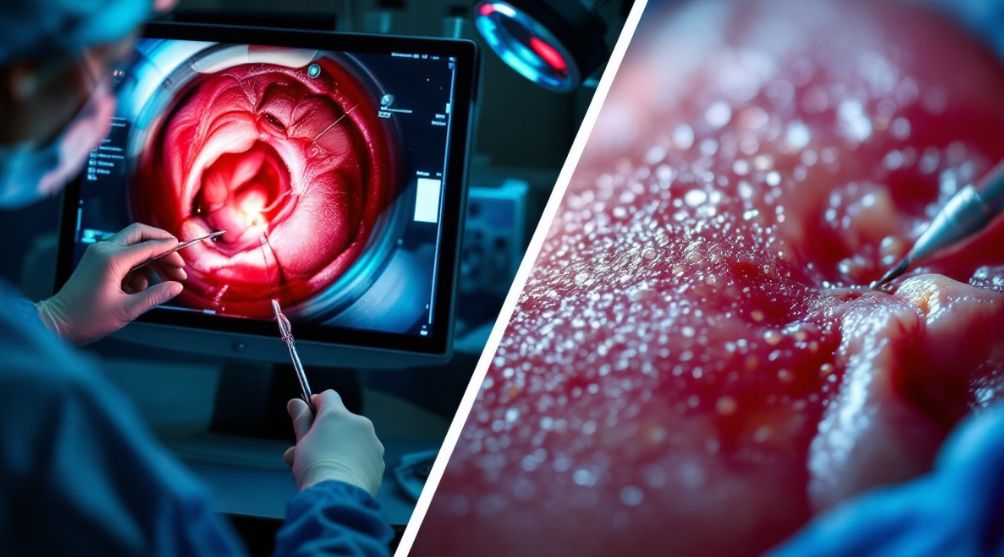
Patients who require surgical procedures need to choose between undergoing minimally invasive laparoscopic surgery and traditional open surgery. The knowledge about these surgical methods enables patients to select the best treatment option. The evaluation of these surgical approaches reveals their differences regarding postoperative recovery and pain management and scarring patterns and treatment results. Understanding the Two Surgery Methods What Is Laparoscopic Surgery The surgical method known as keyhole surgery or laparoscopic surgery uses multiple small incisions instead of making one large incision. The laparoscope functions as a thin tube with a camera which enables surgeons to view internal body structures through a screen display. The surgical instruments used in this procedure enable surgeons to perform precise movements while minimizing damage to body tissues. The surgical method enables patients to experience less pain and minimal scarring and fast recovery times. The medical field selects laparoscopic surgery for treating gallbladder removal and hernia repair and various gynecological procedures. What Is Traditional Open Surgery The traditional open surgery method requires surgeons to create extensive incisions which enable direct access to the surgical site. Surgeons execute intricate surgical operations by using their eyes to see organs directly and their hands to explore the body manually. Open surgery patients need longer recovery times than laparoscopic patients but this surgical method remains vital for medical requirements. The medical team performs open surgery when patients need direct access to their internal tissues for treating severe injuries or large tumors or complicated infections. Also Read: Open vs. Laparoscopic Hernia Surgery: Which is Better? Key Differences Between Laparoscopic Surgery and Traditional Open Surgery The two surgical methods use different surgical techniques which result in different recovery patterns after surgery. The following points summarize the essential factors to evaluate: Size of the Incision The surgical method of laparoscopic surgery uses minimal incisions but open surgery requires larger incisions. The use of small incisions during surgery decreases both the chance of developing infections and the amount of scarring that occurs. Pain and Recovery Patients who undergo laparoscopic surgery experience reduced discomfort levels and they achieve faster recovery of their health. The hospital stay for open surgery patients becomes longer because their recovery time exceeds what laparoscopic patients experience. Hospital Stay The short recovery time of laparoscopic patients allows them to leave the hospital within two days. The hospital stay for open surgery patients becomes longer because their recovery needs ongoing medical surveillance and expert care. Scarring and Cosmetic Results The laparoscopic procedures use small incisions to create minimal scars which will disappear completely with time. Open surgery results in more visible scarring which could affect the confidence levels of particular patients. Also Read: Choosing the Right Cosmetic Surgeon: Tips for Your Perfect Fit Risk of Complications Skilled surgeons perform both methods with safety as their primary concern. The risks of postoperative complications and infections tend to be lower during laparoscopic surgery. Procedure Complexity Open surgery serves as the main surgical approach for treating both emergency medical situations and complex medical cases. The surgeon obtains complete access to the surgical sites through open surgery which proves essential for specific cases. Benefits of Laparoscopic Surgery The advantages of laparoscopic surgery have made it the preferred surgical method which provides benefits to patients and medical staff. The healing process becomes faster because of the smaller incisions which result in less tissue damage. The procedure results in minimal blood loss during the operation. The reduced length of hospital stays leads to decreased medical expenses for patients. The surgical process results in decreased postoperative pain for patients. The brief recovery time enables patients to resume their normal activities with quick speed. The standard surgical approach for gallbladder removal and hernia repair and appendix removal and gynecological procedures now uses laparoscopic methods. When Open Surgery Is a Better Choice The advantages of laparoscopic surgery do not apply to all patients who need surgical treatment. The medical team performs open surgery on patients who require this procedure because their medical condition demands it. The surgical team performs open surgery when they must control heavy bleeding and when patients have multiple scars and complex body structures. The medical team performs open surgery for treating emergency trauma cases and removing large tumors. The medical field depends on open surgery to perform complex and dangerous surgical procedures on patients. How to Decide What’s Right for You The selection between laparoscopic and open surgery depends on your medical condition and your age and any previous surgeries and your current health status. Your doctor should receive all available treatment alternatives from you. Your doctor will direct you toward the safest treatment method after showing you all possible choices. A skilled surgeon will present all benefits and drawbacks of each surgical method to enable you to select the best option. The majority of patients benefit from laparoscopic surgery instead of traditional open surgery. The advantages of laparoscopic surgery include minimal scarring and reduced postoperative discomfort and shorter recovery times and shorter hospital stays. Open surgery continues to serve as an essential treatment method for particular medical conditions which need direct surgical access. At TAH Global Healthcare we provide personalized medical care to each patient. The surgical team assesses your medical condition to create a treatment plan which includes all available options based on your health status and personal requirements and life situation. You should receive both professional medical care and peace of mind and excellent treatment results.
Open vs. Laparoscopic Hernia Surgery: Which is Better?
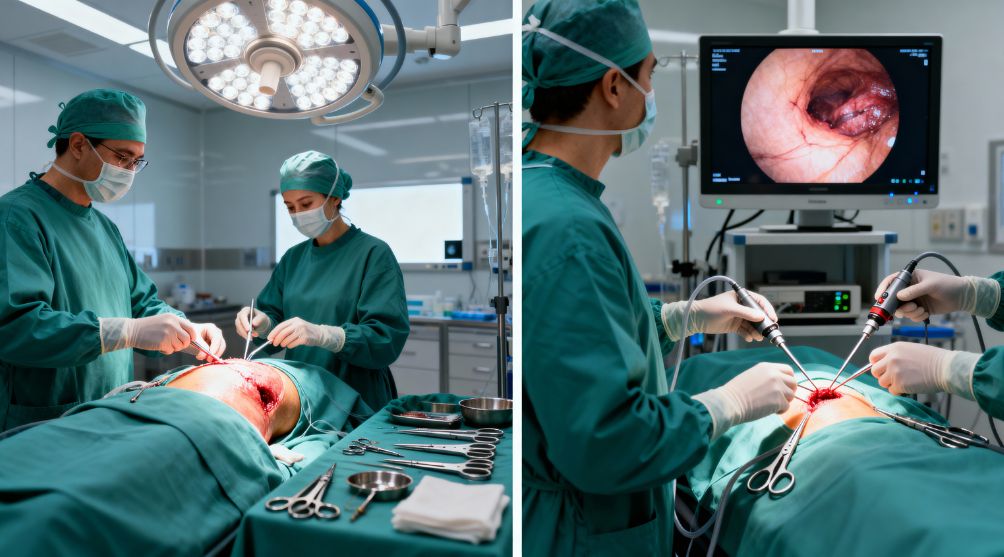
Hernia surgery is one of the most common performed surgeries around the world. A hernia develops when internal organs push through weak points that exist in muscle or tissue walls. Doctors perform two types of hernia repair through open hernia surgery and laparoscopic hernia surgery. The two procedures deliver successful results through different methods which produce distinct post-operative experiences and recovery patterns and patient comfort levels. The blog provides you with information about these two techniques through explanations of their benefits and drawbacks and their suitability for your needs. What Is a Hernia? A hernia develops when internal organs or tissues move through weak points which form in muscle or connective tissue walls. The three main hernia types include inguinal (groin) and umbilical (belly button) and incisional hernias which form from surgical cuts. The three primary symptoms of hernias include visible swelling and pain that intensifies when performing activities like lifting and coughing and bending. The failure to treat hernias leads to dangerous medical conditions which require immediate hospitalization. Open Hernia Surgery: Traditional Approach The procedure of open hernia surgery requires surgeons to create one big incision at the hernia location to expose and fix the protruding tissue. The medical field has used this technique as their primary method for hernia treatment for many decades. Advantages: Widely available and familiar to most surgeons. Can be performed under local or general anesthesia. The treatment method works best for patients who have big or complex hernias. Disadvantages: The amount of postoperative pain that patients experience depends on the size of their surgical incisions. The recovery process takes longer than usual because it usually lasts between 4 to 6 weeks. Higher risk of infection and scarring. Laparoscopic Hernia Surgery: Minimally Invasive Technique Laparoscopic surgery, also known as minimally invasive surgery, uses small incisions and a camera (laparoscope) to guide the surgeon in repairing the hernia. The medical field now prefers this technique because it provides superior results than traditional open surgery methods. Advantages: The use of smaller incisions results in lower postoperative pain levels for patients. The recovery period allows patients to resume their normal activities within 1 to 2 weeks because the healing process takes a brief amount of time. The procedure brings down infection risks while creating minimal scarring. The procedure works for treating single-sided and double-sided hernias. Disadvantages: The procedure requires patients to receive general anesthesia during the procedure. May not be suitable for very large hernias or patients with certain health conditions. The procedure requires particular medical equipment together with doctors who possess specialized qualifications to execute the procedure. Which Surgery Is Right for Your Specific Needs? The selection between open hernia surgery and laparoscopic hernia surgery depends on multiple elements which include: The size of the hernia along with its type will determine if open surgery provides the best treatment option for patients. The success rate of your procedure depends on the amount of experience your surgeon has with each surgical method. The results of the procedure depend on the amount of experience surgeons have with each technique. The patient selected laparoscopic surgery because it enables him to recover quickly. You need to share your medical history and your typical daily routine with your doctor before he can help you decide on treatment options. You should work together to find the safest and most effective solution. How to Prepare for Hernia Surgery The process of achieving successful recovery requires individuals to prepare themselves correctly. The following tips are available for your reference. A person should maintain a healthy diet while drinking enough water. Smoking cessation enables patients to reach improved recovery results and decreases their chances of developing new health problems. Your doctor will provide all necessary pre-surgical instructions for your care. You need someone who will assist you following your surgical procedure. Your doctor will determine when you can start heavy lifting and strenuous activities after your procedure. The process of healing needs constant monitoring through follow-up visits to stop the condition from coming back again. Conclusion Both open and laparoscopic hernia surgeries are safe and effective treatments. The treatment options provide different advantages based on what condition the patient has. The recovery time for laparoscopic surgery along with its minimal scarring makes it a good option but open surgery provides reliable results for treating complicated hernias. The team at TAH Global Healthcare works with each patient to select their individualized surgical method through close collaboration. Our team of experienced medical professionals delivers top-notch care from surgery through recovery to create a secure and successful and painless treatment experience. TAH Global Healthcare provides world-class treatment options and professional advice to patients who need hernia surgery so book a consultation with them today.